
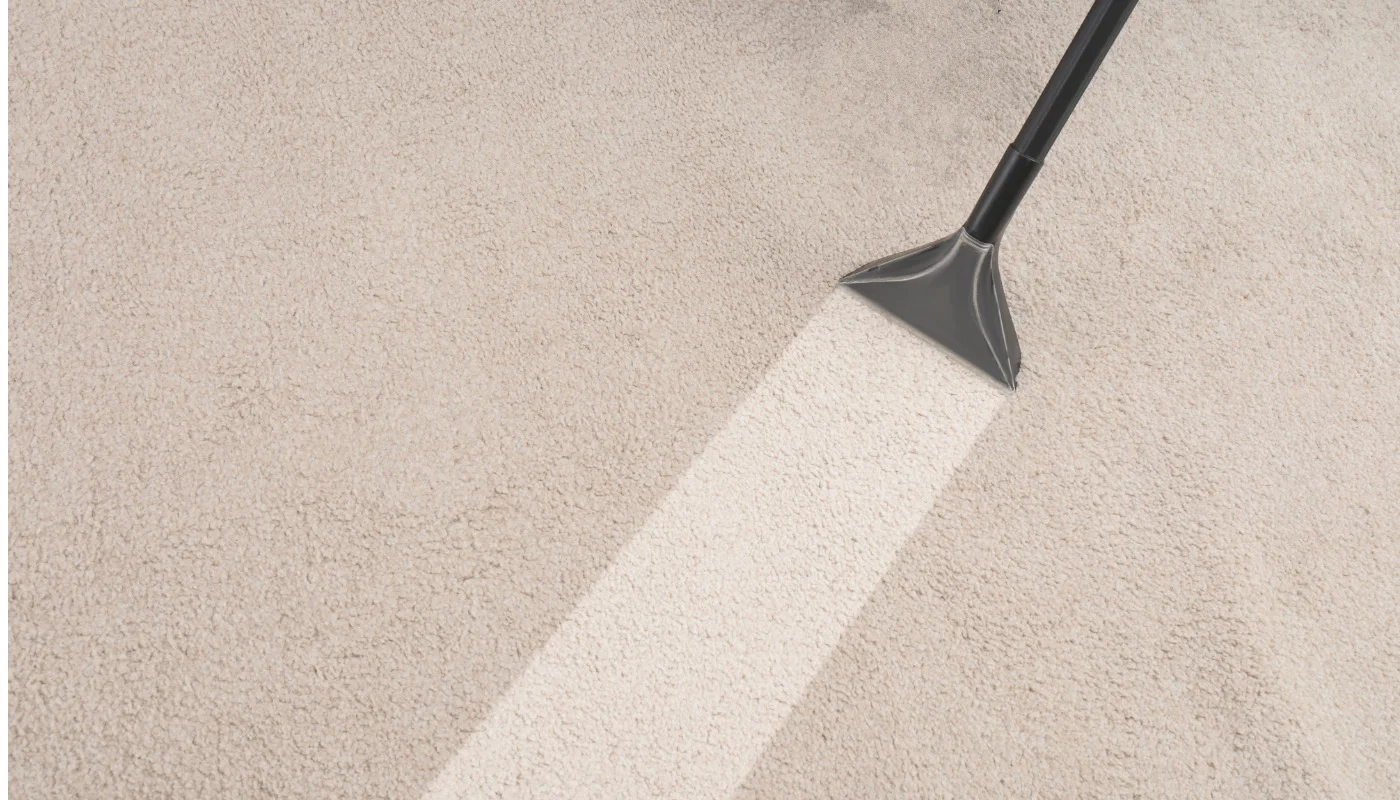
Carpet stain protection can be worthwhile after professional cleaning, particularly in living rooms, dining areas and other spaces where spills happen regularly. Its purpose is to make everyday maintenance and spill removal easier. The best decision depends on your carpet fibre, its existing protective treatment and how the room is used.
What does carpet stain protection do?
A compatible protector treats the carpet fibres to help resist certain spills and soil. This can give you more time to blot a spill before it absorbs into the fibres. It can also help dry soil release during vacuuming. Protection supports regular carpet care; prompt attention to spills still matters.
The IICRC’s guidance on fabric protectors explains these benefits. A visible bead of water alone is not a complete test of a treatment’s performance. Different fibres and products behave differently.
When is protection most useful?
Start with the rooms where accidents are most likely. A family lounge used for snacks and drinks has a different exposure to spills from a rarely used spare bedroom. Carpet near a dining table, a home office where you keep coffee, or a busy lounge shared with pets may benefit more from protection than a low-use room.
For homes in Officer, Berwick, Clyde and Cranbourne, the practical question is how each room is used, rather than the suburb itself. If you are arranging cleaning before visitors arrive, protection is worth discussing as part of maintaining the freshly cleaned carpet.
Why clean the carpet before applying protection?
Cleaning and protection serve different purposes. Fastline’s professional carpet steam cleaning uses hot water extraction to remove soil from suitable carpets. A protective treatment is then considered for future maintenance; it is not a way to remove existing marks.
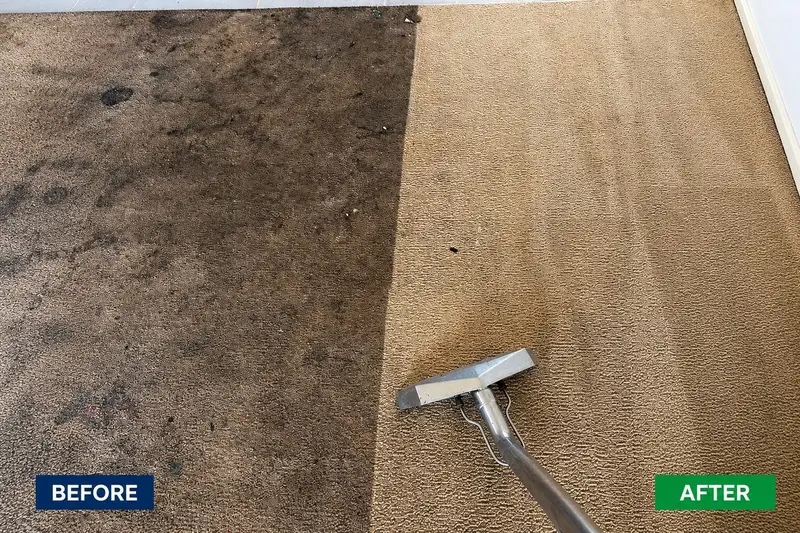
The technician checks the carpet and selects an approach suited to its fibre and condition. For an older carpet, this includes distinguishing removable soil from wear or discolouration. Protection does not repair worn fibres or restore colour lost through damage.
How long before you can use the carpet?
Fastline’s usual steam-cleaning drying time is 4–8 hours. Airflow, humidity, carpet construction and temperature affect drying. If protection is applied as well, follow the drying and curing advice for the particular product used. Cleaning drying time and a protector’s curing time are not automatically the same.
Plan the appointment so the treated areas can remain clear for the advised period. Keep children and pets away while the carpet and treatment are drying. Avoid returning furniture until the technician’s drying guidance has been met.
Does an already protected carpet need another treatment?
Some carpets have factory-applied protection. Check the carpet manufacturer’s care information and have the existing treatment assessed before adding another product. The right reapplication interval depends on the protector, foot traffic and cleaning history; one fixed timetable is not suitable for every carpet.
Focus on maintaining the carpet as a whole: vacuum with the setting recommended for the fibre, use entrance mats and blot spills promptly. Protection works alongside these habits.
Frequently asked questions
Will carpet protection remove an old stain?
No. Stain treatment addresses an existing mark. Protection is intended to help with future soil and spills.
Is carpet protection the same as Scotchgard?
Scotchgard is a brand. Carpet protection is the broader service category. Ask which product is being used and whether it suits your carpet; do not assume every protector has the same instructions.
Should every room receive protection?
Not necessarily. Prioritise rooms exposed to drinks, food and frequent use, then consider lower-use bedrooms according to your needs.
Arrange carpet cleaning and protection
Read about Fastline’s carpet stain protection service or contact the team to book cleaning and discuss suitable protection. You can also use the online quote and booking page.