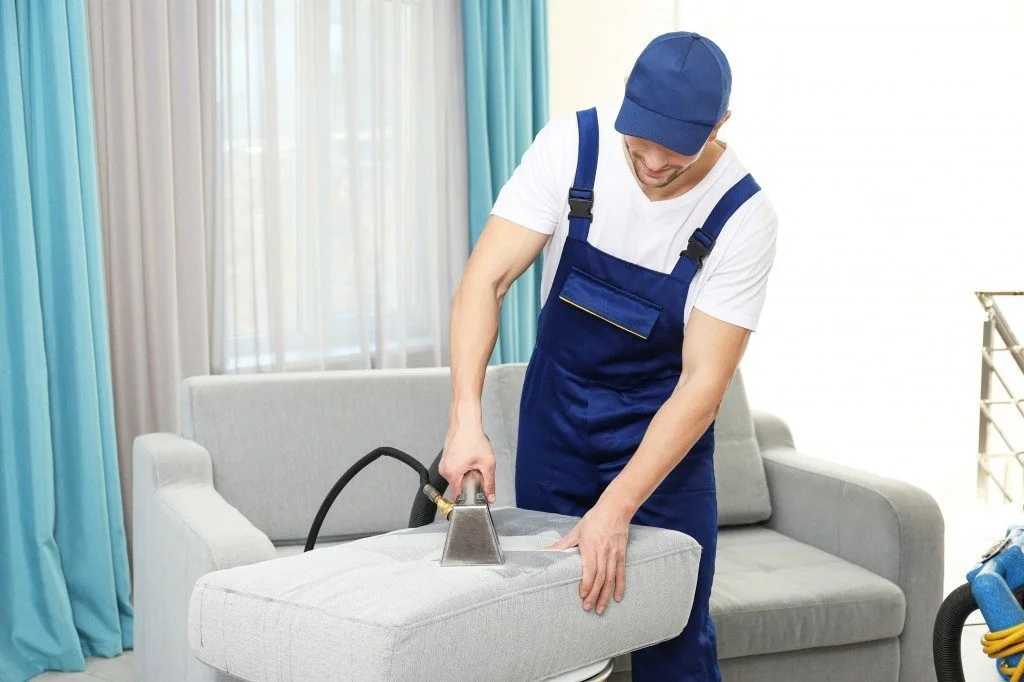
How long does a couch take to dry after professional cleaning? Many suitable fabric couches are ready later the same day, but there is no honest one-size-fits-all time. Fabric type, cushion filling, the selected cleaning method, room humidity and airflow all affect drying. Allow the rest of the day where possible, and do not use the couch until the upholstery feels fully dry.
Fastline assesses the upholstery and its condition at the appointment before selecting an appropriate method. That matters because a tightly woven synthetic sofa, a natural-fibre blend and a thick feather-filled cushion can all respond differently to moisture.
Couch drying time is not the same as carpet drying time
Fastline’s normal guidance for carpet after steam cleaning is approximately 4–8 hours. That range should not automatically be applied to a couch. Upholstery construction varies much more: the surface fabric, backing, foam, batting and removable cushions can hold and release moisture at different rates.
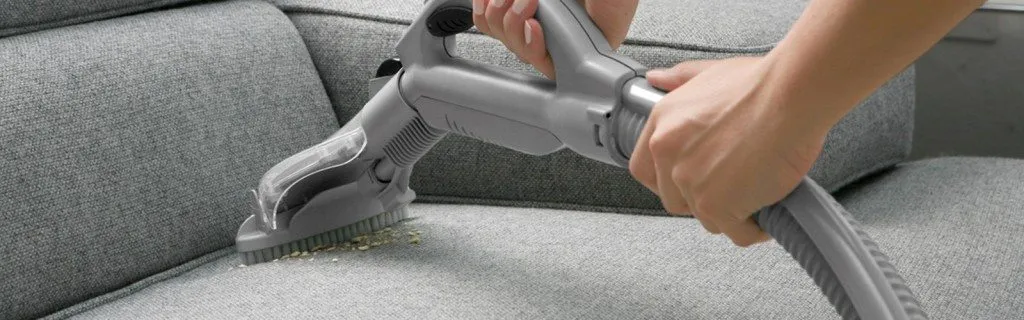
What affects how quickly a couch dries?
Fabric fibre and weave
Synthetic upholstery often releases moisture differently from cotton, linen, viscose or blended fabrics. Dense weaves and textured fabrics can also feel dry on top while moisture remains deeper in the material. This is one reason the cleaning method should follow an assessment rather than a standard routine for every sofa.
Cushion filling and construction
A fixed seat over firm foam may dry differently from a loose, thick cushion. Piping, seams, buttons and layered padding can retain moisture longer than broad flat areas. Removable cushions may also dry at different speeds on each side.
Soil level and treatment required
Body oils, food spills and heavily used arms or headrests may need more attention than lightly soiled sections. The technician balances cleaning with controlled moisture and extraction, but areas receiving extra treatment can need additional drying time.
Weather, humidity and airflow
A warm room with gentle air movement usually supports faster drying than a closed room on a cool, humid Melbourne day. Drying can take longer during wet weather, in rooms with limited ventilation or where cushions sit tightly together.
How to help a freshly cleaned couch dry safely
- Follow the technician’s advice about cushion position and room ventilation.
- Use a ceiling or pedestal fan to create gentle air movement around the couch.
- Open windows when the weather, security and outdoor humidity make that suitable.
- Use normal heating or air conditioning to keep the room comfortable, without directing concentrated heat at the fabric.
- Keep people and pets off the upholstery until all cleaned areas are dry.
- Leave blankets, throws and plastic covers off the couch while it is drying.
Do not use a hair dryer or portable heater close to the upholstery. Warwick Fabrics’ care guidance advises drying upholstery in the shade away from direct heat and allowing it to dry thoroughly before reuse. Direct heat can create uneven drying and may affect some fabrics.
How do you know when the couch is ready to use?
Check more than the most exposed part of the seat. Gently feel seams, piping, the rear of cushions and thicker sections. They should feel dry rather than cool and damp. If cushions were moved for airflow, return them to their usual position only after both sides are dry.
Avoid judging by colour alone. Some upholstery temporarily looks darker while damp, while other fabrics change very little. If one area remains noticeably wetter than the rest or develops a persistent musty smell after the expected drying period, contact Fastline so the situation can be assessed.
Planning a couch cleaning appointment in Melbourne’s south-east
If the couch is needed for visitors, children’s routines or an evening gathering, an earlier appointment gives it more time to dry. Fastline provides professional couch and upholstery cleaning across Pakenham, Officer, Berwick, Clyde, Cranbourne and surrounding south-eastern suburbs. You can also check the full couch cleaning service area list.
Not every fabric uses the same process. The team checks the material, construction and existing condition on site, then explains the suitable cleaning approach and realistic drying expectations.
Frequently asked questions
Can I sit on a couch if it feels only slightly damp?
Wait until it is fully dry. Sitting on damp upholstery can compress the fabric and filling, transfer colour from clothing and slow airflow through the area.
Can a fan help the couch dry faster?
Yes. Gentle, steady air movement from a ceiling or pedestal fan can support drying. Position it to move air around the couch rather than concentrating intense heat on one small area.
Why do loose cushions take longer to dry?
They may contain thicker foam, batting or feather filling, and moisture can remain around seams and piping. Air needs to reach both sides, so use the position recommended by the technician.
Does every fabric couch use steam cleaning?
No. The appropriate method depends on the fabric, care requirements, construction and condition. Fastline assesses those factors before proceeding.
What if the couch still feels damp the next day?
Increase safe airflow and contact Fastline if a section remains noticeably damp or develops a persistent unusual smell. Avoid adding more cleaning product, water or direct heat.
Request a couch cleaning quote
For upholstery cleaning availability and pricing, request a Fastline quote online or call 0402 563 120. The team will confirm the service details and provide drying guidance for the couch after the on-site assessment.