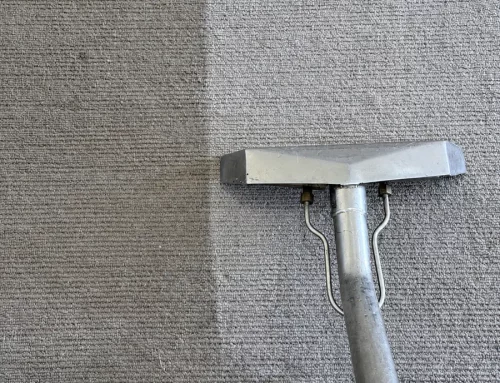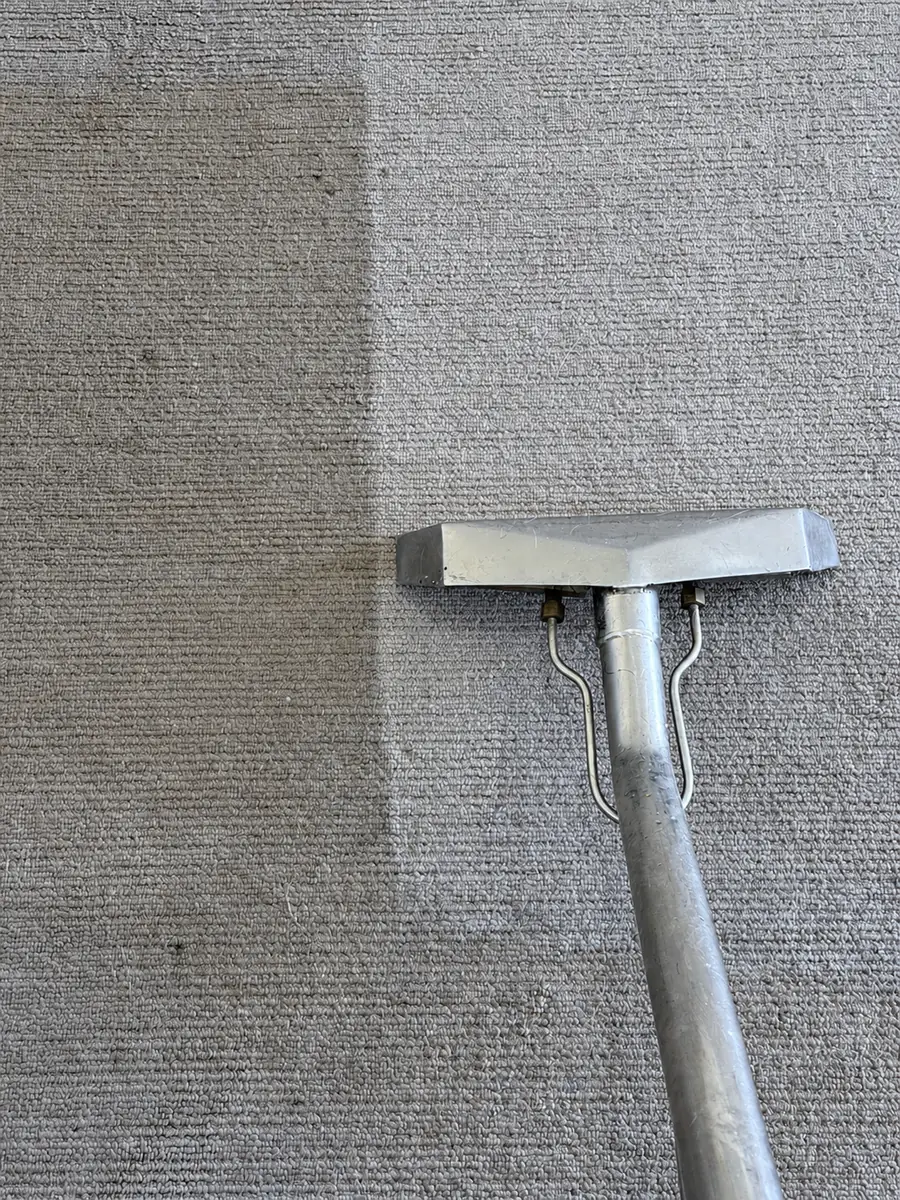
A mark that disappears during cleaning and returns later can be frustrating. It does not automatically mean the whole carpet needs cleaning again. The next step depends on whether the mark returns during drying, develops with foot traffic, or is actually a change in the carpet’s appearance rather than a removable stain.
Before reaching for another product, note when the mark returned and what was originally spilled. That information helps a cleaner choose a more targeted approach.
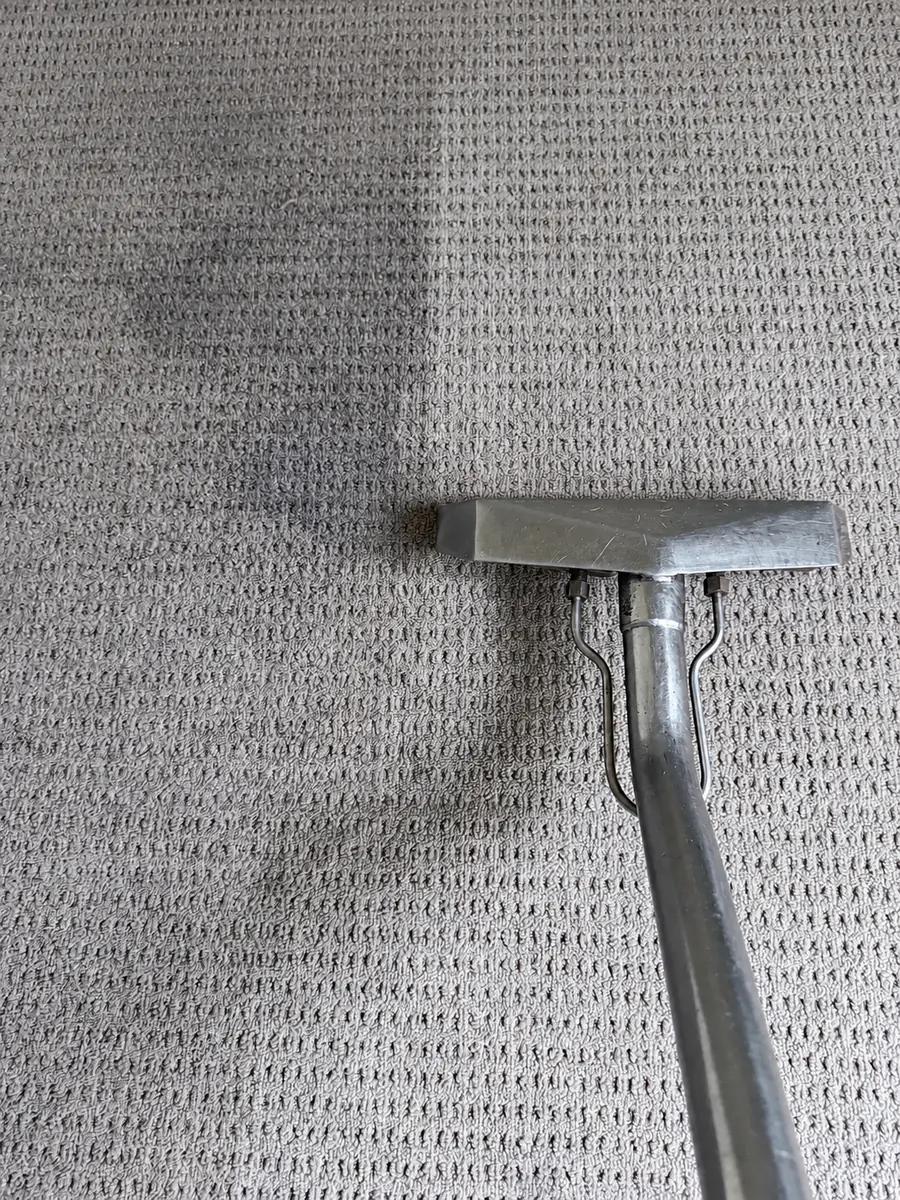
Wicking: a mark returns as the carpet dries
Some contamination can remain lower in the pile after the visible surface looks clean. As the carpet dries, material can travel back towards the surface and become visible again. This is often called wicking.
Godfrey Hirst’s triexta stain-care guide explains this reappearance during drying. Its treatment instructions are specific to that carpet range: always check the guidance for your own fibre instead of applying the same recipe to every carpet.
Other reasons a patch may look dirty again
Residue and renewed soiling
A previously treated patch can collect soil again, particularly if an unsuitable product leaves residue. Tell the cleaner about supermarket sprays, detergents or home mixtures already used. The Carpet and Rug Institute recommends choosing spot-cleaning products that do not encourage rapid resoiling.
Shading, wear or colour damage
Not every dark or pale area is dirt. Pile direction can change how light reflects from carpet, while wear or colour loss may not respond to cleaning. A mark that changes appearance when viewed from the opposite side of the room is worth pointing out during an inspection.
These possibilities are reasons to investigate, not a diagnosis from a photograph. Your cleaner needs the carpet history and, sometimes, an in-person inspection.
What to do when a stain comes back
- Record the timing. Did it return while drying, overnight or after several days of use?
- Take clear photographs. Include one close-up and one showing the surrounding carpet in similar lighting.
- List previous treatments. Include the product name and whether the area has been cleaned more than once.
- Contact the original cleaner. Explain the change and ask whether targeted follow-up is appropriate.
Do not keep soaking or scrubbing the patch. Follow the manufacturer’s care instructions and avoid mixing cleaning chemicals. Our guide to DIY stain-removal mistakes explains why repeated home treatments can complicate professional work.
Can a recurring stain be removed permanently?
Sometimes a suitable follow-up treatment improves the result, but no honest assessment can promise removal of every mark. The spill, fibre, age of the stain and previous products all matter. Cleaning cannot necessarily reverse fibre damage or lost colour.
If the mark is accompanied by a persistent pet smell, mention this when booking. A standard surface clean and a specialised odour assessment are not the same task.
For Fastline bookings in Pakenham, Nar Nar Goon and surrounding service areas, send the photos and treatment history with your enquiry. This gives us a useful starting point for discussing inspection and the next step.
Need advice about your carpets?
Tell Fastline your suburb, room count and any drying or stain concerns so we can discuss a suitable service.